A map to joy
Soon after we moved to Leiden we went to a party. We talked to different people, one of them was a lovely Dutch artist. She was telling us about a recent visit from her daughter. She told us how she saw her daughter arrive and come through the garden door, then she described very vividly how her heart grew with love and happiness just at the sight of her daughter coming home, to the point where she shed tears of joy.
At the time The Dutch and I had been together for about three years, so we were nowhere near the thought of having children. But that intensely lovely story stayed with me.
Around the same time I started meeting with Martine Batchelor, hoping to get over my fear of meditation. Before I moved to Europe, I had some intense experiences during formal sitting meditation, and I was quite afraid to sit and meditate. Martine provided very useful and gentle advice, and soon I was back on the cushion.
Every time I would meet with Martine she would talk about joy. Joy this, joy that. I had no idea what she was talking about, but I felt I needed to understand what she meant, mostly because she would mention it every time and I wanted to be “a good student”. Weeks and probably months went by and joy was just a mystery thing she talked about often. One day I came across a Buddhist podcast episode about joy. I decided to listen to it because why not.
Days after that I came home from work, I opened the garden gate while holding my bike with the other hand. It was a late summer afternoon, the sun was warm, and together with the enormous wisteria, cast a pattern of light and shadow across the garden. Gaia, my little Chihuahua dog, came to greet me. She was wagging her tiny tail and seemed so happy to see me. I felt like part of me melted and all there was left was joy. I sat on the garden bench and played with Gaia for some time. We were both delighted to be in each other’s company.
I don’t remember if I recognized joy during the moment or if the understanding came later. But I definitely remember thinking back that what I encountered was unequivocally joy. Shared joy to be more precise.
I think the podcast episode described joy in a way that helped me understand it better. I was also carrying within me the story from the Dutch artist, which I believe helped me identify and connect with what was unfolding in the moment. Her precise and vivid description of the inner experience of joy functioned as a map.
After that it became much easier to join joy in its dwellings. The sunlight, the moonlight, an old friend, a flower, one deep breath, a regular breath. Everywhere I found little puddles of joy. Sometimes for minutes, sometimes for seconds, I can rest in its warmth.
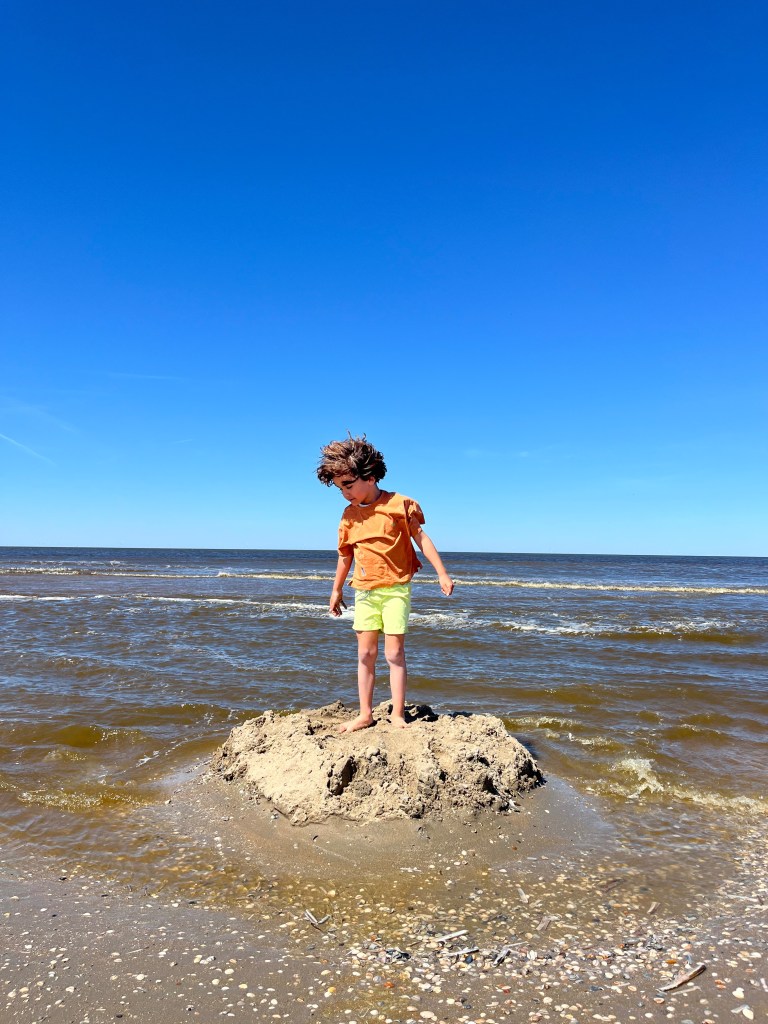
After my son was born, joy was everywhere, and different too: loud, slapstick, spirited joy. But also in calm quiet moments when we were simply happy to be together.
One cold spring, a long-time friend who grew up on Mexico’s Pacific coast came to visit me. She had been living in Germany for the last several years. I took her to the Hortus Botanicus in Leiden. We went straight to the tropical plants section. We entered the large greenhouse with its mature banana trees. Then we climbed a staircase to the small room where the cocoa tree and the giant Victoria amazonica are kept.
As soon as we entered the room, I was brimming with joy, showing her all the flowers, plants, and trees that can be found in Mexico. She shared my enthusiasm, and we kept pointing out recognizable plants as we went around the room. At some point she noticed the quality of the moment and declared, “We are in our habitat.” Such a funny yet accurate description. We were delighted to be together in a warm room with our familiar plant friends.
Joy is so simple and so readily available, yet I had either forgotten or never learned how to recognize it. It took someone to point it out repeatedly, someone to describe it, and someone to map out the inner experience for me to finally see it clearly. Now joy is sometimes in the wind, in my man’s touch, in the moments when my son snuggles up next to me to watch a movie. And of course, in Gaia the Chihuahua.
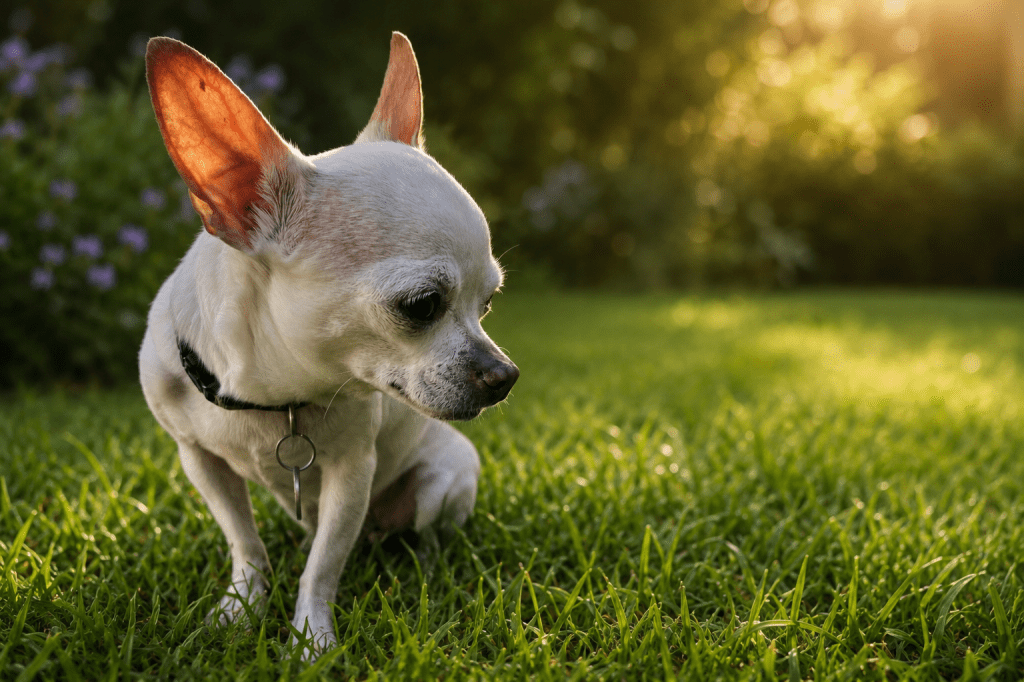
Gaia, she is ten years old now
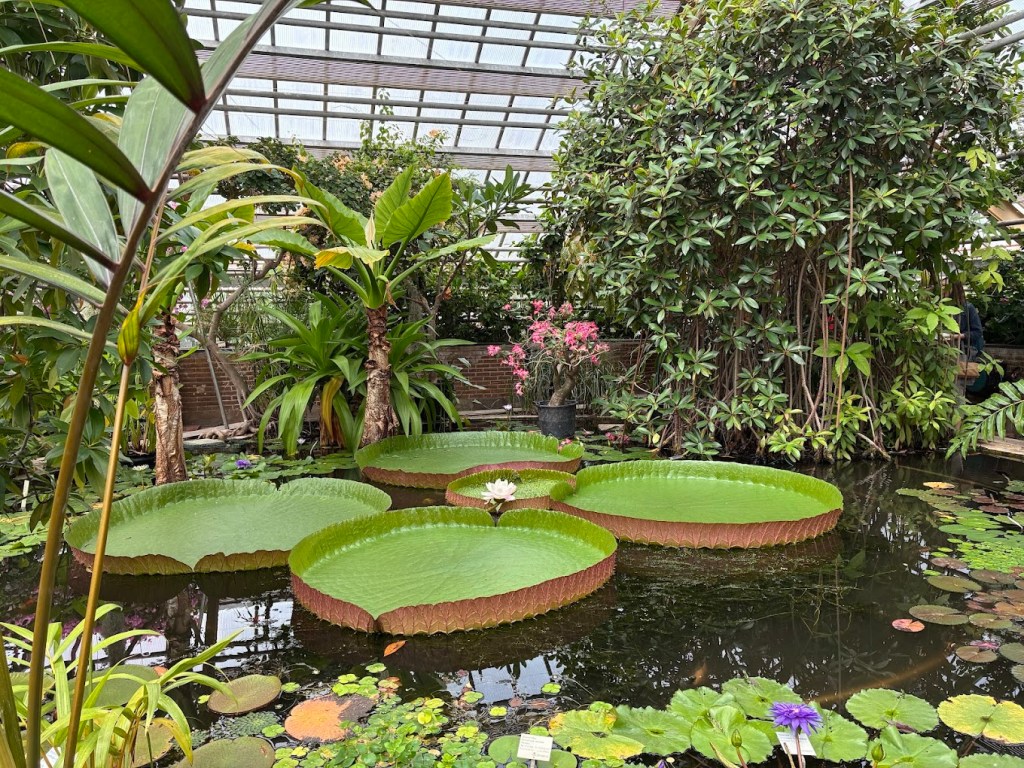
The room my friend described as our habitat.
Photo by Traveler Tina